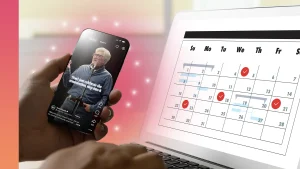
Every week, pastors spend hours crafting messages, studying Scripture, and delivering sermons with care and intention. However, once Sunday ends, that message risks disappearing into the archives. A sermon is often heard once and then forgotten. The good news is it doesn’t have to be that way.
The truth is, sermons are the most valuable content your church already has. They’re thoughtful, biblically grounded, and crafted with your congregation’s real-life struggles in mind. When viewed through a digital lens, sermons aren’t just messages — they are incredibly powerful ministry content just waiting to be heard by someone who needs it.
Below, we’ll discuss why sermons are your church’s most valuable content.
Sermons Are Rooted in Purpose and Preparation
Sermons are created with deep intention. They are prepared with thorough studying and prayer. This means that they already hold clarity, direction, and spiritual authority.
Sermons Speak Directly to Real Life
Sermons address real questions folks are asking. This makes sermons relevant beyond Sunday. When shared digitally, sermon moments meet people right where they are: online to provide them with the connection and clarity they crave.
Sermons Build Trust and Consistency
In a digital world, consistency matters. When your church regularly and consistently shares sermon-based content, people begin to recognize your voice, values, and message. Consistency builds trust, especially with people who may not yet feel comfortable attending church in person.
Sermons Create Multiple Content Opportunities
One sermon can become:
- Short sermon clips
- Quote images
- Daily devotionals
- Discussion questions
- Blog posts
Instead of creating content from scratch every week, repurposing sermons allows churches to work smarter, not harder. This maximizes time while maintaining quality content.
Sermons Extend Your Reach Beyond the Building
Not everyone can attend church in person. Between schedules, distance, illnesses, anxiety, or past experiences, folks may not be able to physically attend church. But digital sermon content removes those barriers.
When sermons are shared online:
- Folks can engage and connect privately and safely
- Messages reach friends and family through shares
- The Gospel travels beyond local geography
Your church’s impact is no longer limited to the pews.
Sermons Support Discipleship Throughout the Week
Discipleship doesn’t have to stop after the final prayer on Sunday. Repurposed sermons become tools for reflection and spiritual growth all week long.
They help folks:
- Revisit Scripture
- Apply lessons more deeply
- Discuss faith in small groups
- Stay spiritually engaged between services
Sermons Are Authentic and Human
People crave real voices and heart, not robotic or performative content. Sermons show the heart of your church, the spiritual maturity of your pastor, and the real-life context of your community. That authenticity is what makes church sermon content powerful. It feels genuine.
In Conclusion
Sermons aren’t just weekly messages; they are your church’s most valuable content asset. When churches repurpose sermons and use them as ongoing content rather than one-time messages, ministry impact multiplies.
When you’re ready to extend the life of your sermons, Sermon Shots is the tool to turn to. With Sermon Shots, churches can turn sermons into meaningful clips, visuals, and digital resources within minutes. This way, your message continues to reach folks throughout the week.
FAQs: Why Sermons Are Your Church’s Most Valuable Content
Q: Why should churches repurpose sermons instead of creating new content?
A: Sermons are already thoughtfully prepared messages, making them ideal for reuse without added workload.
Q: How often should sermon content be shared online?
A: Several times throughout the week is ideal. This can be done through short clips, quotes, blogs, or devotionals.
Q: Will people get tired of seeing sermon content repeatedly?
A: Not when it’s repurposed creatively and in different formats.
Q: Are sermons effective for reaching new people online?
A: Absolutely! Short, accessible sermon moments are often shared by folks, extending reach organically.