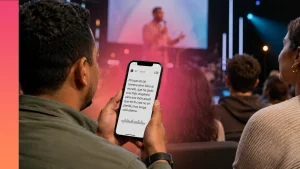
Easter is one of the biggest seasons of the year for churches.
This is typically the time to welcome visitors and online engagement tends to spike. However, once Easter Sunday is over, many churches ask the same question: “Now what?”
The days and weeks before and after Easter are just as important as the day itself. The time after Easter is an opportunity to build on that momentum, deepen connections, and help people take a next step.
Below, we cover how to stay intentional with what your church should post after Easter.
Why Post-Easter Content Matters
Easter often brings people who don’t attend church regularly, are exploring faith, or haven’t been in a while. If they don’t hear from your church again, the connection they felt with the service will fade quickly. Easter could be thought of as the introduction and the content you post could be the follow-up.
Consistent and thoughtful content after Easter helps:
- Reinforce the message they heard
- Keep your church at the top of their mind
- Invite them into deeper engagement
1. Share Sermon Highlights From Easter
Even if folks attended your service, not everyone will remember every detail of your Easter sermon. Also, many people who couldn’t attend will likely be interested in seeing content from the service they missed.
Post:
- Short sermon clips
- Key quotes
- A powerful takeaway
This type of content helps extend the life of your Easter message and gives people a reason to revisit and share it.
2. Create “Next Step” Content
After Easter, folks are often more open to taking the next step in attending church more frequently, but they need clarity. It’s important your content makes new visitors feel welcome to come back week after week.
Post content that answers:
- “What do I do next?”
- “How can I get involved?”
- “How can I grow in my faith?”
Examples:
- Invitation to a newcomers class
- Small group sign-ups
- Simple encouragement to return next Sunday
3. Turn the Message Into a Weekly Series
If your Easter sermon introduced a theme, keep it going. Follow-up content could include:
- A short devotional based on the message
- A blog breaking down the sermon
- A weekly reflection tied to the same theme
4. Share Testimonies and Stories
Stories build connections. Stories help remind people your church is a strong community and encourages them to get involved.
Post:
- A testimony from someone in your church
- A story of life change
- A behind-the-scenes moment from Easter. For example, it could be photos from an Easter egg hunt your church held.
5. Ask Questions That Invite Engagement
Get the conversation in your posts started by asking your audience questions.
Examples:
- “What stood out to you from Easter?”
- “What’s one thing you’re holding onto this week?”
- “How can we pray for you?”
In Conclusion
The time after Easter is a great opportunity to share meaningful content to encourage first-time visitors to continue coming to your church and boost engagement online.
And when it comes to continuing that momentum, Sermon Shots helps churches turn their sermon into clips, posts, and content that keep the conversation going after Easter.
FAQs: What Your Church Should Post After Easter
Q: What type of church content works best after Easter?
A: Sermon clips, next steps, testimonies, and simple encouragement posts.
Q: Should we keep referencing Easter?
A: You can! Try to tie it into ongoing themes so it feels like a continuation, not repetition.
Q: How do we keep new visitors engaged?
A: Make church content personal, clear, and inviting. The goal is to make sure that they feel like they belong.