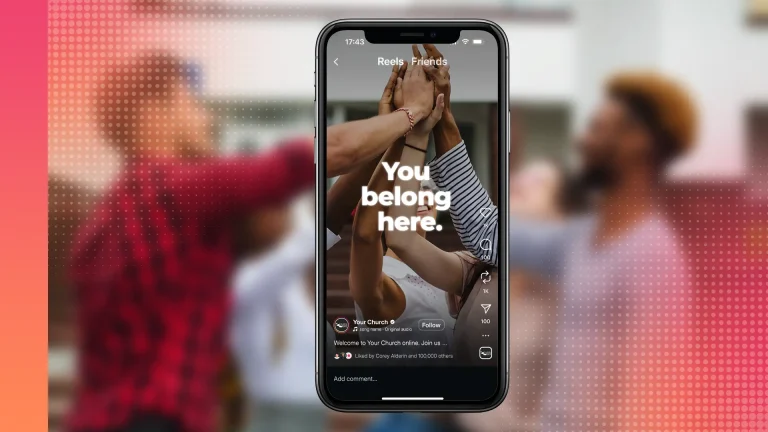
Younger audiences aren’t uninterested in faith; they’re uninterested in church content that feels salesy, distant, and disconnected from real life. Creating content that resonates with younger audiences doesn’t mean chasing trends or watering down the Gospel. It means communicating timeless truth in ways that feel honest and that they can relate to. Below, we’ll cover tips on creating church content for younger audiences.
Understand How Younger Audiences Consume Content
Gen Z typically consumes most content, whether news or entertainment, on their phones, often in short bursts throughout the day. Attention is earned quickly, but can be lost just as fast.
They gravitate toward:
- Short-form videos
- High-quality visuals
- Content that speaks to real life, not overly performed
Content that feels overly scripted or produced will likely be skipped. This generation of consumers longs for authentic and personalized content.
Prioritize Authenticity Over Perfection
Younger audiences tend to be able to spot inauthentic content immediately. They respond best to honesty. Authenticity and openness build trust, understanding, and appreciation.
Instead of striving for perfection:
- Share real stories from real people
- Show behind-the-scenes moments
- Acknowledge struggles, doubts, and growth
Make Content Visual and Bite-Sized
Long blocks of text don’t usually perform well with younger audiences.
Content formats that resonate best include:
- Short sermon clips
- Quote graphics
- Social media carousels
- Devotional visuals
- Reels and short videos with captions
Speak to Real-Life Questions and Emotions
Younger generations are navigating anxiety, identity, purpose, relationships, and burnout. They crave content that speaks directly and openly about the realities they face.
Consider creating content that covers:
- Faith and mental health
- Navigating relationships and boundaries
- Handling fear, doubt, or disappointment
- What Scripture says about everyday challenges
Invite Conversation, Not Just Consumption
Younger audiences don’t want to be talked at. Instead, they want to be included in the conversation and have an opportunity to be heard.
Encourage engagement by:
- Using polls
- Inviting responses in captions
- Creating content that welcomes discussion, questions, doubts, concerns, and their own experiences
Be Consistent Without Overdoing It
Consistency builds familiarity and trust. However, it doesn’t mean you need to be posting constantly. A steady rhythm matters more than volume. Aim for 2 – 4 thoughtful posts per week. Consistency relays to younger audiences that your church is present and intentional. Every post must have a purpose.
Meet Them Where They Already Are
Younger audiences are already on social platforms, which means churches don’t have to invent new spaces. They can just show up on existing ones, such as:
- TikTok
- YouTube Shorts
In Conclusion
Reaching younger audiences isn’t about being trendy, but about being real. When churches create content that’s authentic, relatable, and visual, younger generations will engage more.
When you’re ready to turn sermons into engaging content without overwhelming your team, Sermon Shots can help. You can create clips, visuals, and captions that resonate, so your message connects with everyone, including the younger generation.
FAQs: Church Content for Younger Audiences
Q: Do younger audiences care about church content online?
A: Absolutely! When it feels authentic and relevant.
Q: Should churches follow social media trends?
A: Only if they align with your values; however, trends should never take away from the message.
Q: How long should content be for younger audiences?
A: Short and focused works best.